
CLIMATE
May 12, 2026 · Reuters Climate Wire
EST. 2014 · GENEVA · 38 NATIONS
Cultiv Earth designs the infrastructure for a regenerative century — uniting ecological science, climate intelligence, and human consciousness across six continents.
— ABOUT
Cultiv Earth is a multidisciplinary organization operating at the intersection of ecological science, planetary technology, and human consciousness research.
From its founding in Geneva, the organization has coordinated a global network of research stations, oceanic platforms, and regenerative communities — pursuing measurable outcomes across climate stabilization, biodiversity recovery, and the long-term wellbeing of human and non-human life.
Our work is grounded in a single conviction: the future of the planet and the future of consciousness are inseparable.
Carbon-negative materials, regenerative supply chains, and circular industrial systems deployed across 14 countries.
Large-scale reef and mangrove recovery programs anchored by autonomous bio-monitoring fleets.
Climate-scale models simulating biosphere feedback loops with sub-kilometer resolution.
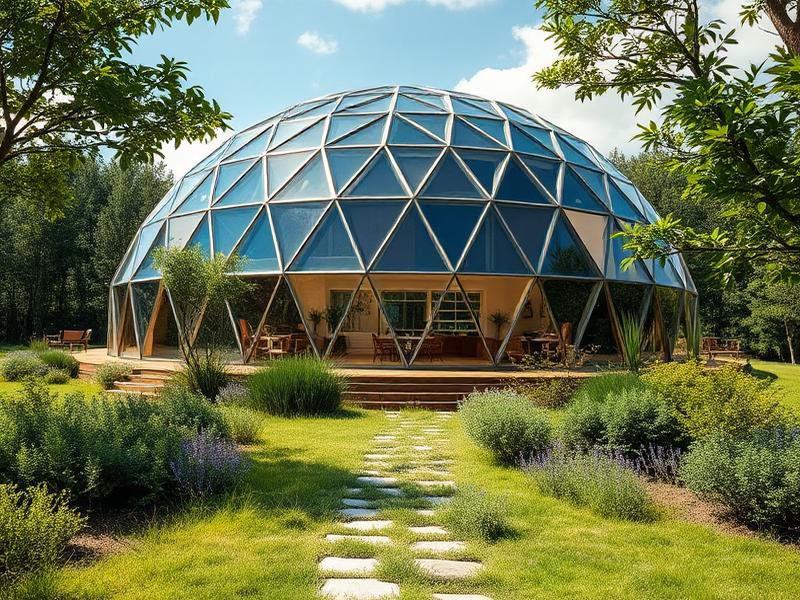
Self-sustaining biospheric structures designed for tropical, polar, and oceanic deployment.
Civic frameworks aligning technology, agriculture, and consciousness for long-horizon resilience.
Integrated atmospheric, oceanic, and electromagnetic monitoring across a global station network.
— GLOBAL OPERATIONS
Hover a node to inspect the regional initiative. Coordinates are advisory and subject to operational protocol.
Cananéia · Brazil
25.0°S · 47.9°W
Coastal biodiversity observatory and electromagnetic monitoring station along the southern Atlantic shelf.
— RESEARCH & INNOVATION
Active research lines coordinated across the Cultiv Earth global network.
— FEATURED INITIATIVE
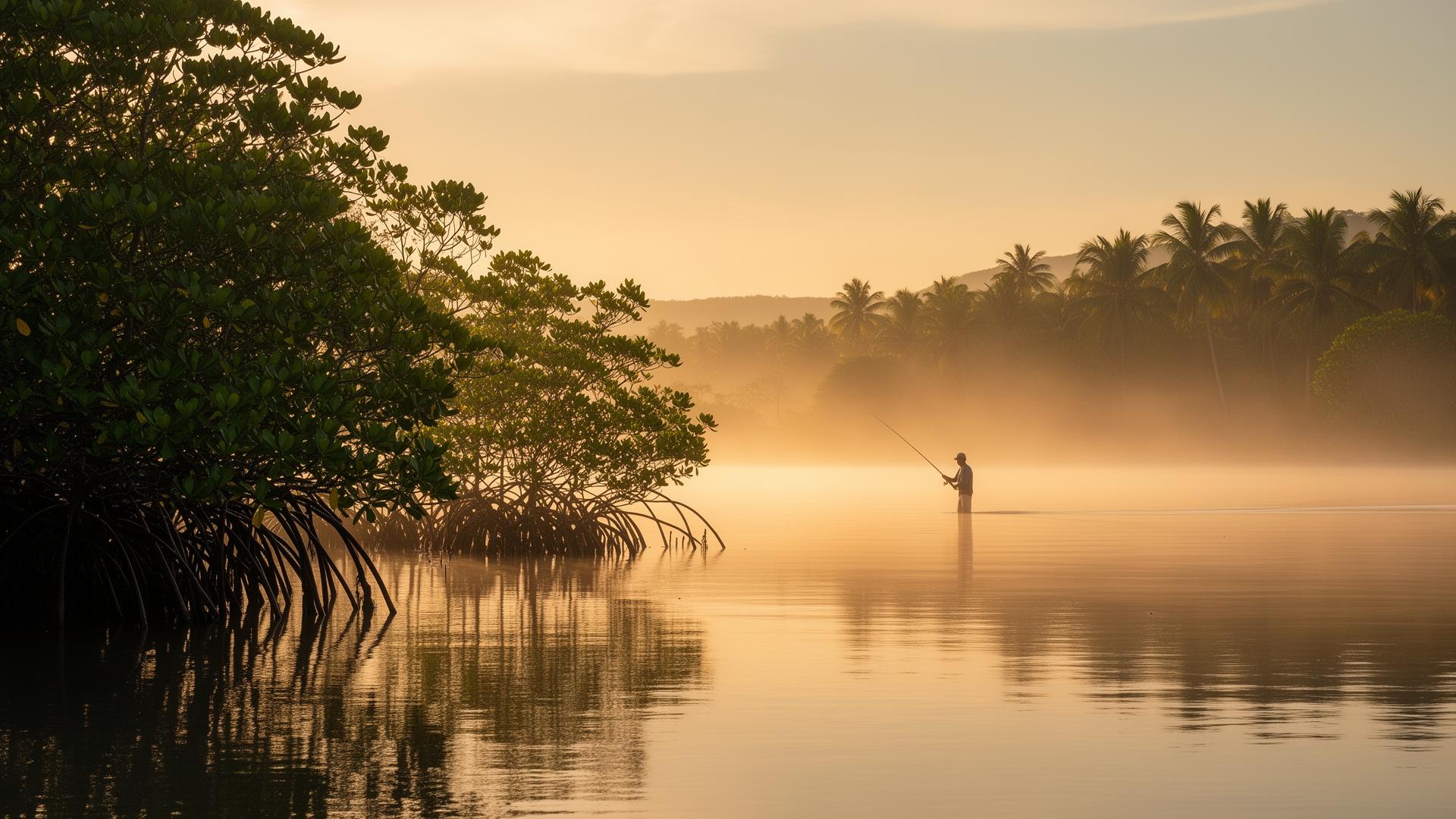
Long-term ecological preservation along the Atlantic rainforest coast of southern Brazil — anchoring one of the planet's most biodiverse estuarine systems.
For over a decade, Cultiv Earth has partnered with Brazilian institutions to safeguard the mangrove estuaries, Atlantic rainforest corridors, and traditional fishing communities of the Cananéia-Iguape complex.
The initiative integrates biodiversity monitoring, low-impact eco-architecture, and community-led stewardship. Discreet biospheric structures, embedded within the forest canopy, support ongoing research without disturbing the surrounding ecosystem.
Sustained scientific presence in the region has produced one of the most complete datasets ever assembled for a tropical coastal system — and continues to inform global policy on marine and forest preservation.
— PRESS
May 12, 2026 · Reuters Climate Wire
Apr 28, 2026 · Nature Briefings
Mar 09, 2026 · Domus

Feb 17, 2026 · MIT Technology Review
◇ INTERNAL PORTAL
CE-NET // SECURE CHANNEL · TLS 1.3